
Loading…
Loading…
Masters · Case Studies · Metaphysics · Service Guide
The AIMing metaphysics article library: systematic guides to BaZi, Zi Wei Dou Shu, tarot, feng shui, palm and face reading, dream interpretation, and other Eastern wisdom traditions. Every article is written and reviewed by metaphysics researchers, grounding classical texts in a modern perspective — beginner-friendly walkthroughs alongside deep dives for advanced readers. Updated regularly, covering love, career, wealth and health.
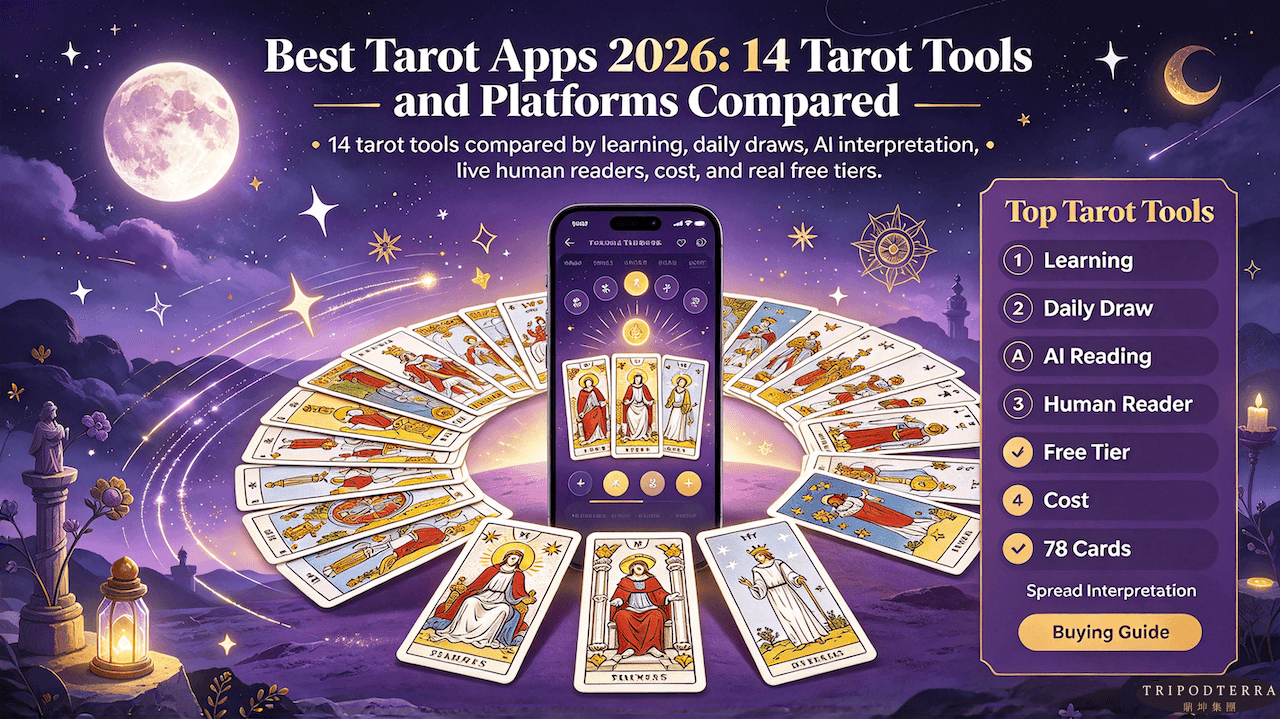
Most "best tarot app" lists are written by the vendors ranking themselves first. This one is not. We compared fourteen tarot apps and platforms across the categories that actually matter — learning, daily draws, AI interpretation, and live human readers — and report what each costs, what its free tier really allows, and where it loses. That includes our own platform, disclosed and assessed on the same criteria. Along the way: which free apps are genuinely free rather than previews, which AI tools answer your actual question instead of returning the same paragraph to everyone, and what the per-minute reader platforms really charge once the introductory offer ends. Then a buying guide organised by what you are actually doing — learning the cards, building a daily pull, interpreting a large spread, or wanting a person — and the honest answer to whether any tarot app is accurate, which is no, and why that turns out not to matter as much as the marketing implies.
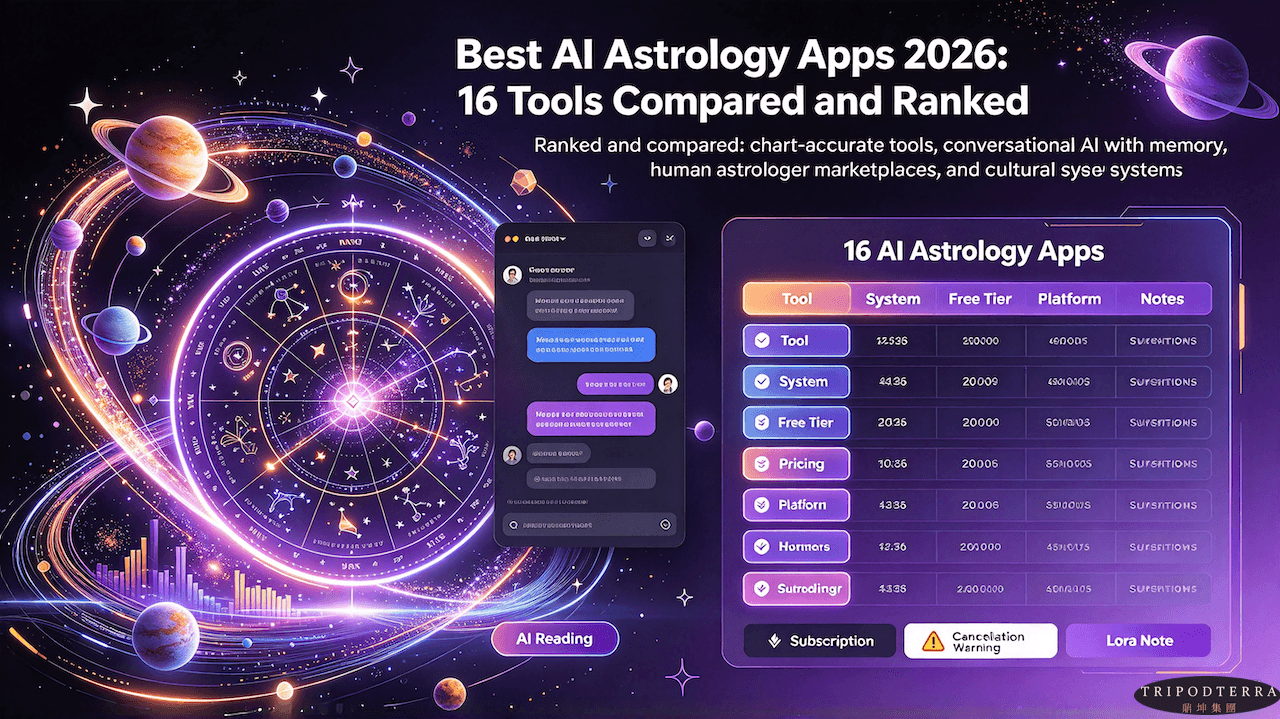
The best AI astrology apps of 2026, ranked and compared: 16 tools across Western, Vedic, Korean and Chinese systems, with verified pricing, real free tiers, platform support and the drawbacks their marketing pages leave out. This guide sorts a crowded market into four honest categories — chart-accurate tools, conversational AI with memory, human astrologer marketplaces, and the cultural systems most apps treat as a checkbox — then explains what to check before you subscribe to anything. Includes a plain warning about two apps with reported subscription-cancellation problems, a note on why Lora could not be ranked this year, and a realistic breakdown of where AI readings genuinely beat a human astrologer and where they do not. Our own platform appears in the ranking and is disclosed as such, with its limitations stated alongside everyone else's. Written for anyone deciding where to spend their money in 2026.

An online fortune teller is one of three very different products: a live reader on a per-minute platform, a marketplace directory, or an AI service. This guide separates them honestly. It reports what the major platforms actually charge in 2026, including the small print behind "free" introductory minutes and new-user credits, and explains why free readings are often the better tool for daily reflection. It answers the question the industry avoids — whether readings are accurate, what the Barnum effect and cold reading actually explain, and where the benefit genuinely stops. Then it covers how to ask a yes or no question, an open question, or use free chat, and closes with the five red flags that separate a paid reading from a scam, plus a one-page method for choosing a platform without overpaying for accuracy nobody can deliver.
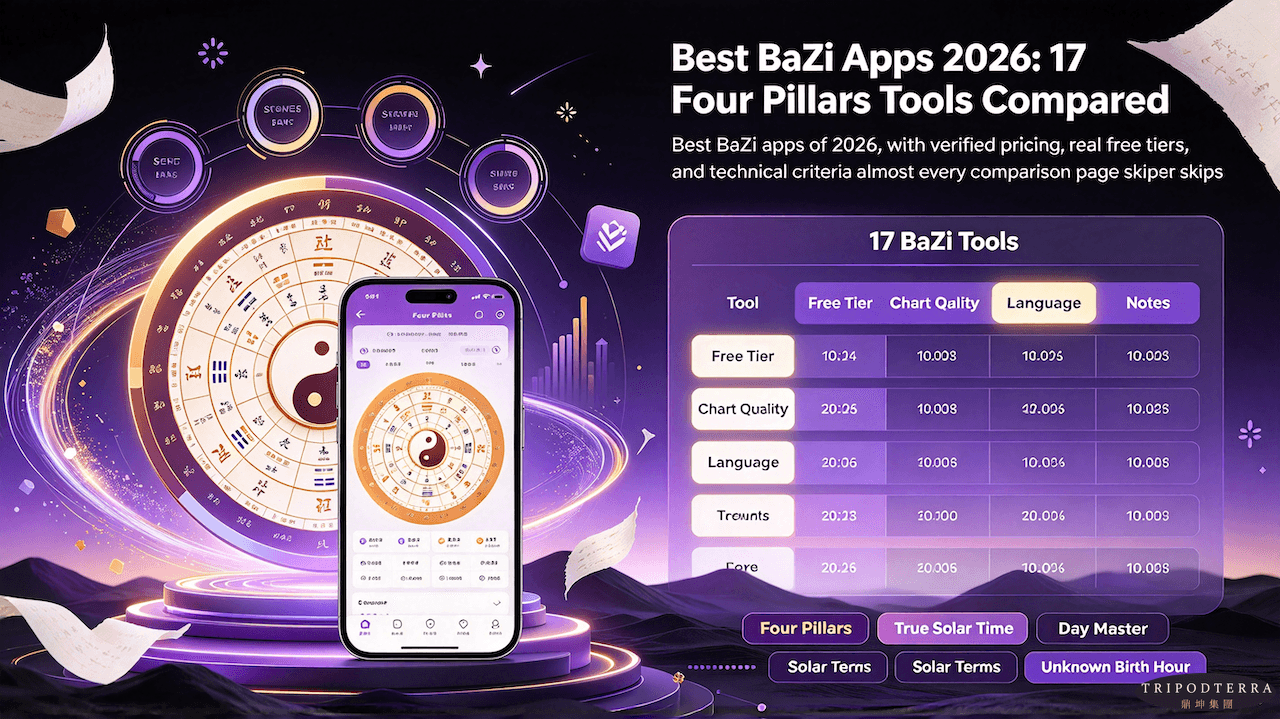
The best BaZi apps of 2026, compared across 17 Four Pillars tools and websites in English and Chinese — with verified pricing, real free tiers, and the technical criteria almost every comparison page skips. This guide explains what actually separates a trustworthy chart from a confident wrong one: true solar time correction, the 23:00 day-pillar boundary, and whether the month pillar is computed from solar terms or lunar month numbers. It covers chart-first engines, AI reading platforms, and Chinese-market apps that English rankings never mention, including a naming collision that makes one popular app effectively unsearchable. Along the way it answers what beginners actually ask — what is genuinely free, why two apps disagree about your chart, and how to handle an unknown birth hour. Our own platform is included and clearly disclosed, limitations and all.

A practical guide to feng shui bedroom colors — the five-element color map, the tones traditionally favored for sleep and for couples, colors to avoid, and how to match a palette to your BaZi Day Master.
Metaphysics is not vague assertion but a thousand-year-old observation system: Heavenly Stems and Earthly Branches record time, the Five Elements describe relationships, and the Ten Gods map human bonds. Articles in this section start from basic chart-casting methods and progress to practical topics like marriage matching, date selection and feng shui layout. Whether you are simply curious or studying systematically, there is a clear reading path for you.
Articles are written by the AIMing editorial team; credited authors are platform-certified metaphysics researchers. Classical-text citations note their sources and every article passes internal review before publishing.
We publish 1-3 articles a week covering solar terms, zodiac fortunes and trending metaphysics topics. You can also ask any metaphysics question directly in the AIMing AI chat.
Start with the "What is BaZi" and chart-casting basics articles, then generate your own chart with the free AIMing chart tool and study alongside it — the AI explains every part of your chart.


