GWu Zhang
Chinese classics master from Jiangxi
Signed editor of TripodTerra. Articles attributed to this editor are AI-assisted drafts reviewed and verified against classical Chinese metaphysics sources before publication.
Articles
Nan Huai-Chin: The Modern Sage on Fate and Self-Cultivation
Nan Huai-Chin (1918–2012) was the most influential popularizer of Chinese wisdom in the modern era — a lay master of Chan Buddhism, Taoism and Confucianism whose lectures and books reached tens of millions. This guide explores who he was, what he taught about destiny and the I Ching, and why he insisted that self-cultivation matters more than fortune-telling.
Zeng Shiqiang — the People's Philosopher Who Made the I Ching Practical
Zeng Shiqiang (1935–2018), the Taiwanese scholar known as the Father of Chinese-style Management, brought the I Ching to millions through his celebrated CCTV lectures. A guide to his life and ideas — and why his view that "three parts are destined, seven parts are earned" still shapes how people use BaZi today.

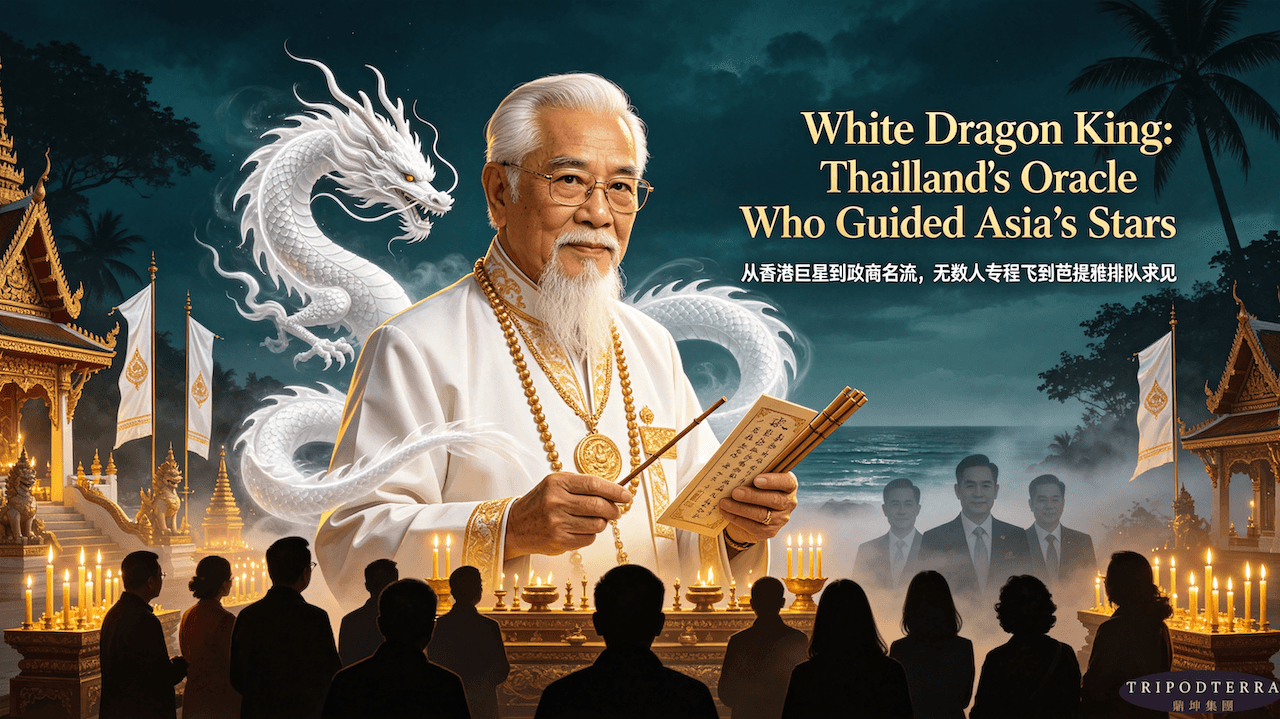
White Dragon King: Thailand's Oracle Who Guided Asia's Stars
The White Dragon King was Thailand's most famous Chinese-origin oracle — the soft-spoken master Hong Kong celebrities flew to Pattaya to consult. Here is his story, his most famous predictions, and what his "one-sentence" style still teaches about BaZi, luck, and kindness.

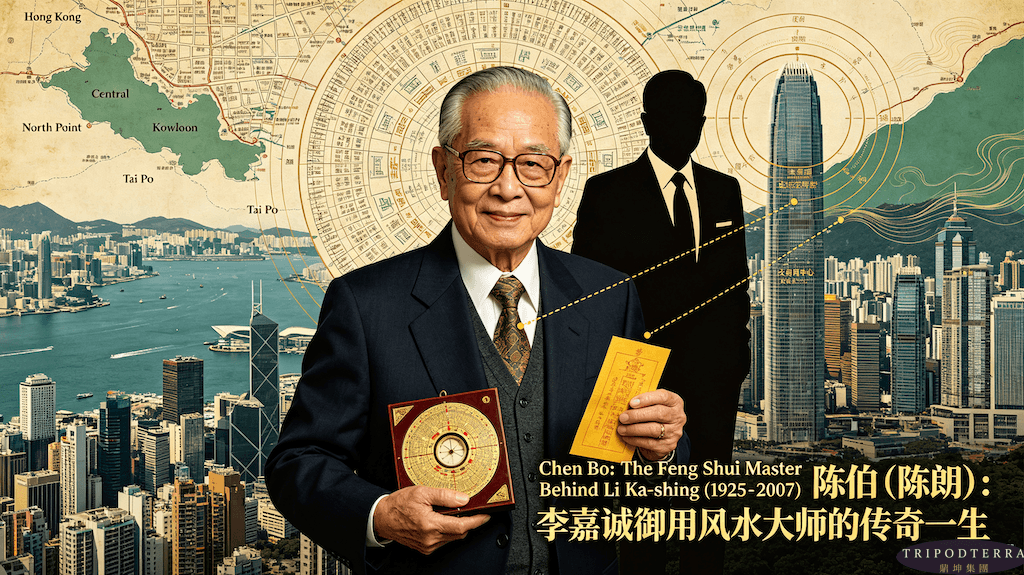
Chen Bo: The Feng Shui Master Behind Li Ka-shing
Chen Bo (Chen Lang, 1925–2007), the feng shui master who served Li Ka-shing for decades, was reportedly behind everything from the Cheung Kong Center to his client's office door. This is the story of his Xuan Kong Flying Stars and BaZi methods — and what commercial feng shui means for modern readers.

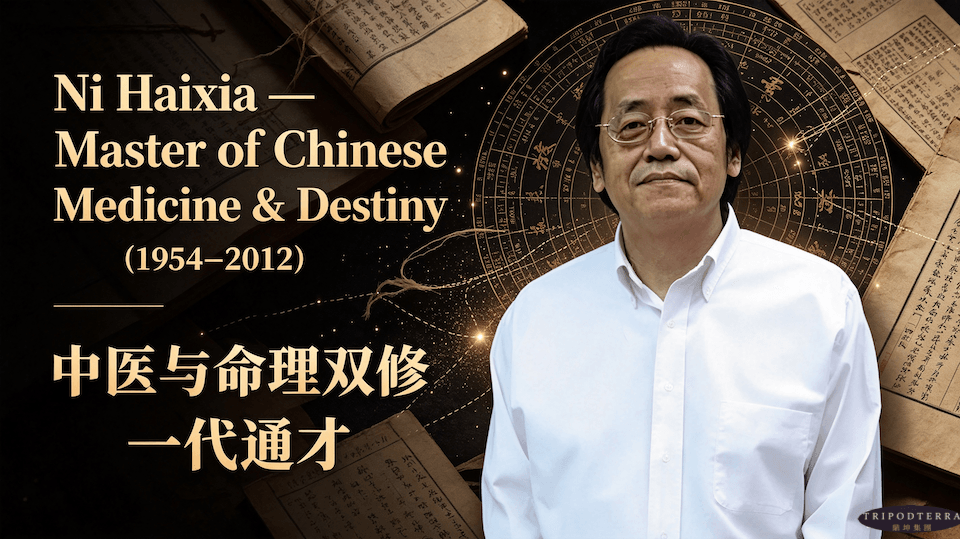
Ni Haixia — Master of Chinese Medicine & Destiny (1954–2012)
Ni Haixia (1954–2012) was a Taiwanese-born doctor of Chinese medicine who practiced in the United States and taught classical herbal formulas, BaZi and Zi Wei Dou Shu to students worldwide. His guiding idea — that medicine and destiny study walk one path — still shapes how people learn both arts today.