TripodTerra Editorial
TripodTerra editorial team
Signed editor of TripodTerra. Articles attributed to this editor are AI-assisted drafts reviewed and verified against classical Chinese metaphysics sources before publication.
Articles

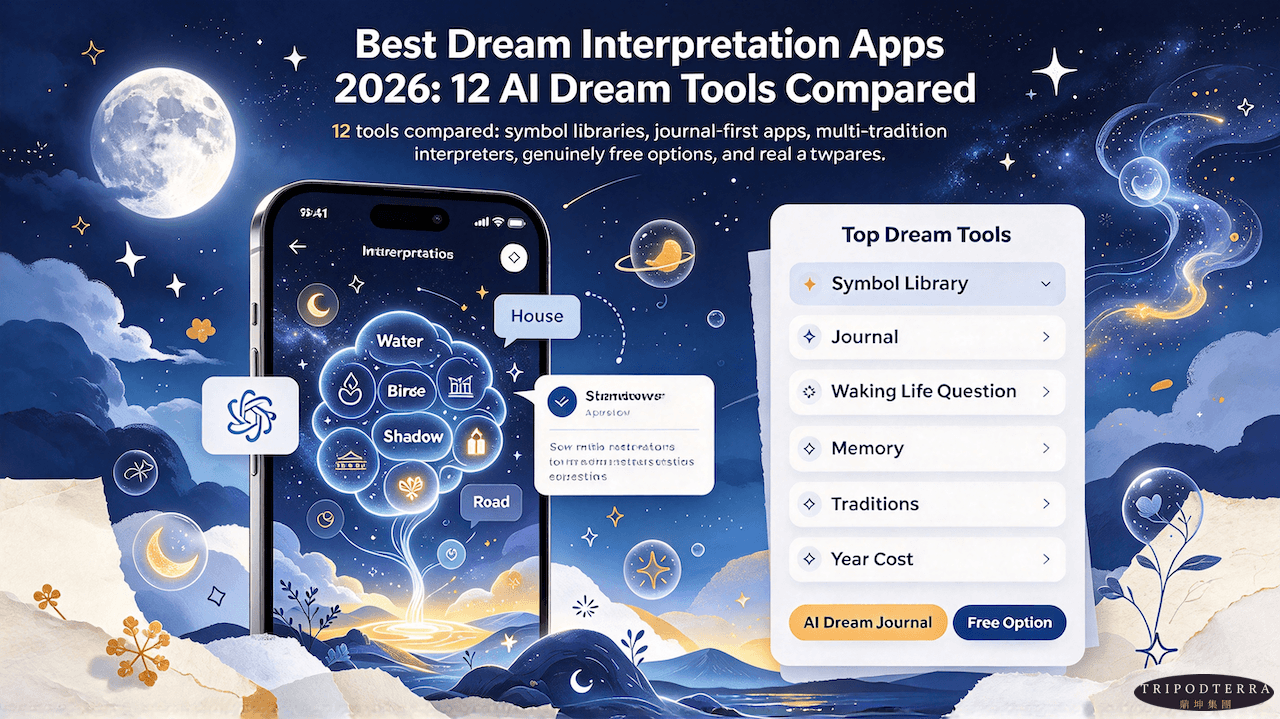
Best Dream Interpretation Apps 2026: 12 AI Dream Tools Compared
Most dream apps are a dream journal with an AI attached, and the difference between them is what that AI does with a symbol: whether it hands back a dictionary entry and stops, or asks what the image means to the particular dreamer. This comparison covers twelve tools — the dictionary apps with the largest symbol libraries, the journal-first apps, the multi-tradition interpreters, and the genuinely free options — measured against four criteria: whether the app asks about waking life, whether it remembers previous dreams, how many traditions it draws on, and what a year of use actually costs. TripodTerra is our own platform and is labelled as such throughout. Two findings worth stating up front: symbol count matters far less than the question an app asks after the dream, and weekly billing is the worst deal in the category.

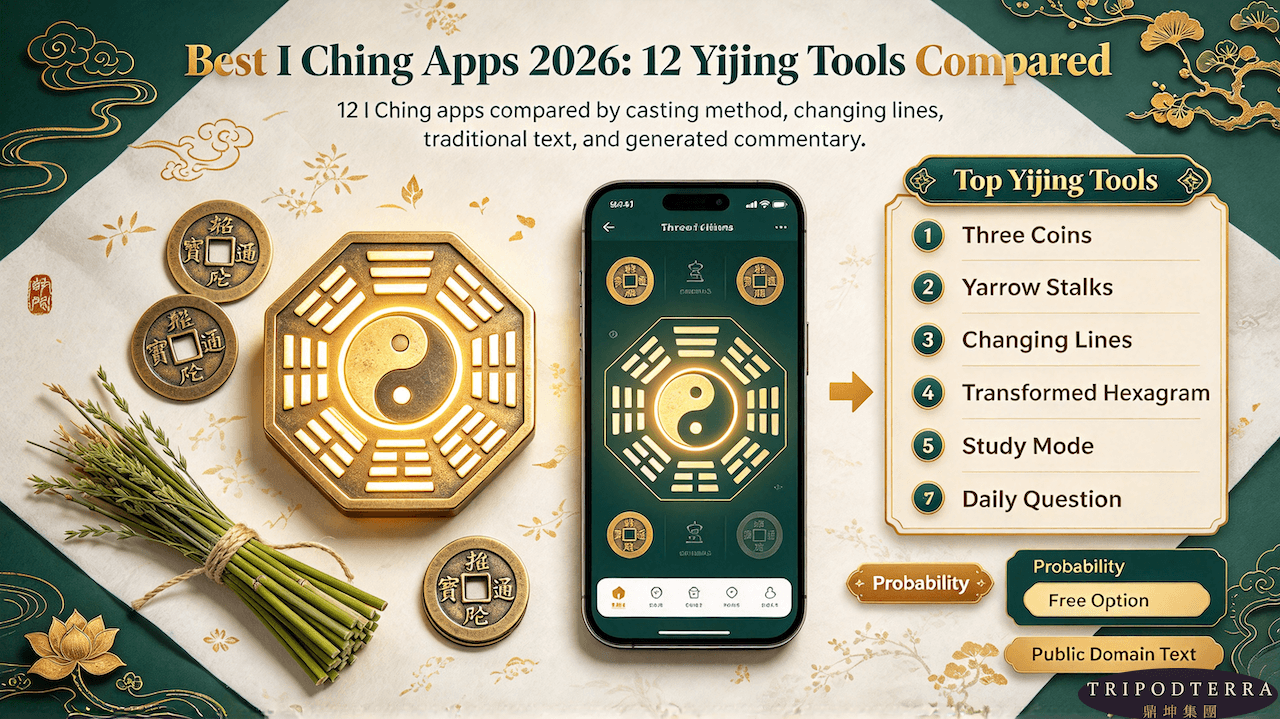
Best I Ching Apps 2026: 12 Yijing Tools Compared
The I Ching has been cast with yarrow stalks for two thousand years, and most apps now do it with three taps and an AI paragraph. This guide compares twelve I Ching apps and websites by the thing that actually matters — which casting method they implement, whether they show you the changing lines, and whether the interpretation is traditional text or generated commentary. It explains the three-coin and yarrow-stalk methods and why their probability distributions differ, walks through how to read a hexagram with its changing lines and the transformed hexagram most apps never display, and separates the tools built for study from the ones built for a daily question. It also covers where the free options genuinely hold up, and why the public domain translations still matter more than any app's summary of them.

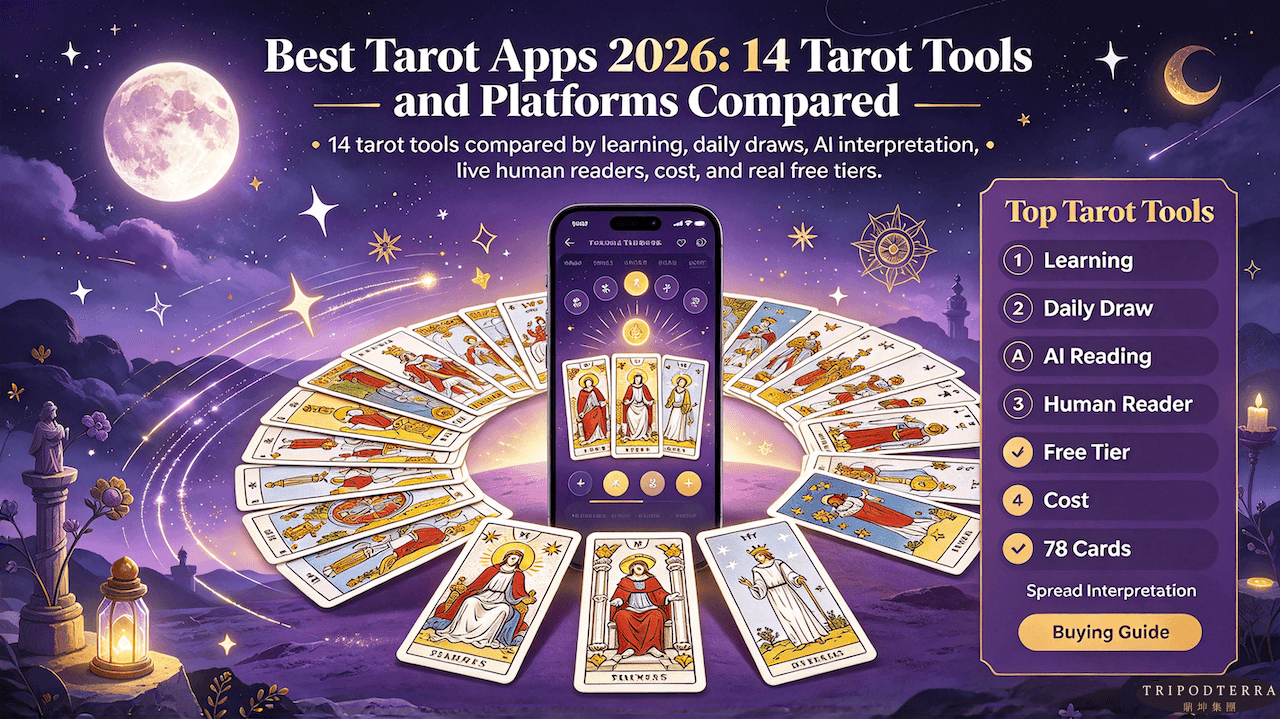
Best Tarot Apps 2026: 14 Tarot Tools and Platforms Compared
Most "best tarot app" lists are written by the vendors ranking themselves first. This one is not. We compared fourteen tarot apps and platforms across the categories that actually matter — learning, daily draws, AI interpretation, and live human readers — and report what each costs, what its free tier really allows, and where it loses. That includes our own platform, disclosed and assessed on the same criteria. Along the way: which free apps are genuinely free rather than previews, which AI tools answer your actual question instead of returning the same paragraph to everyone, and what the per-minute reader platforms really charge once the introductory offer ends. Then a buying guide organised by what you are actually doing — learning the cards, building a daily pull, interpreting a large spread, or wanting a person — and the honest answer to whether any tarot app is accurate, which is no, and why that turns out not to matter as much as the marketing implies.

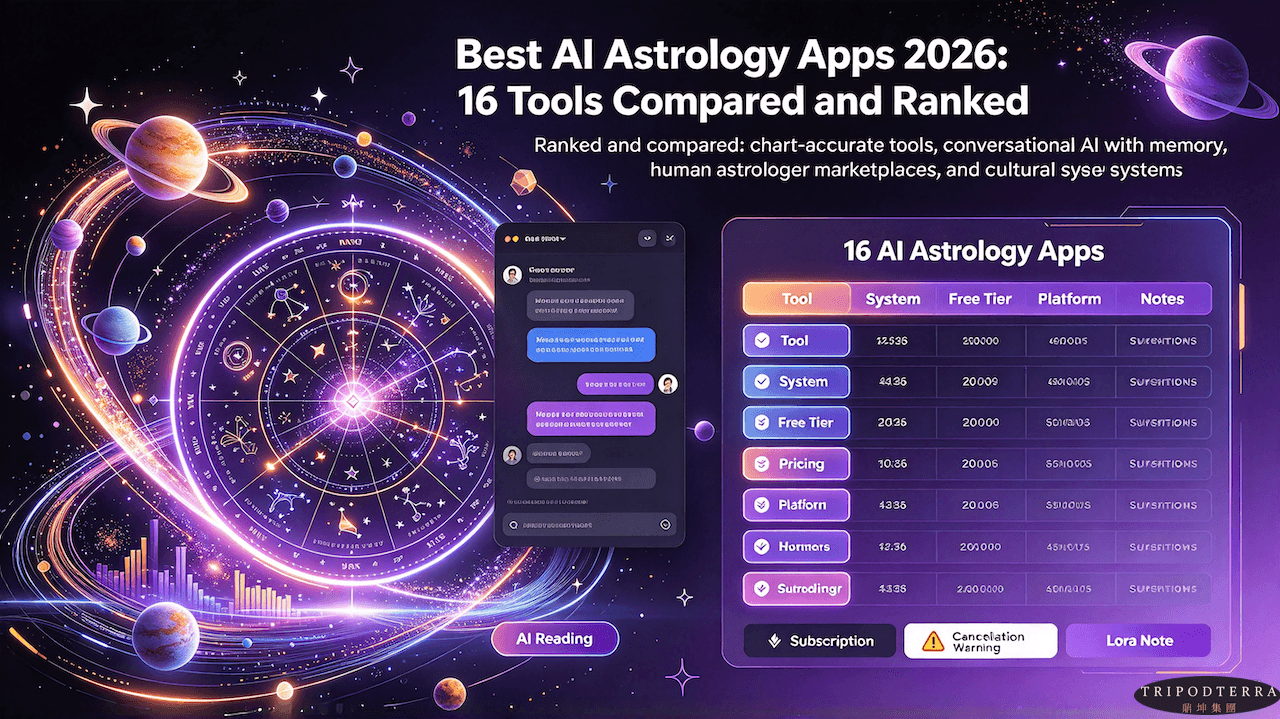
Best AI Astrology Apps 2026: 16 Tools Compared and Ranked
The best AI astrology apps of 2026, ranked and compared: 16 tools across Western, Vedic, Korean and Chinese systems, with verified pricing, real free tiers, platform support and the drawbacks their marketing pages leave out. This guide sorts a crowded market into four honest categories — chart-accurate tools, conversational AI with memory, human astrologer marketplaces, and the cultural systems most apps treat as a checkbox — then explains what to check before you subscribe to anything. Includes a plain warning about two apps with reported subscription-cancellation problems, a note on why Lora could not be ranked this year, and a realistic breakdown of where AI readings genuinely beat a human astrologer and where they do not. Our own platform appears in the ranking and is disclosed as such, with its limitations stated alongside everyone else's. Written for anyone deciding where to spend their money in 2026.

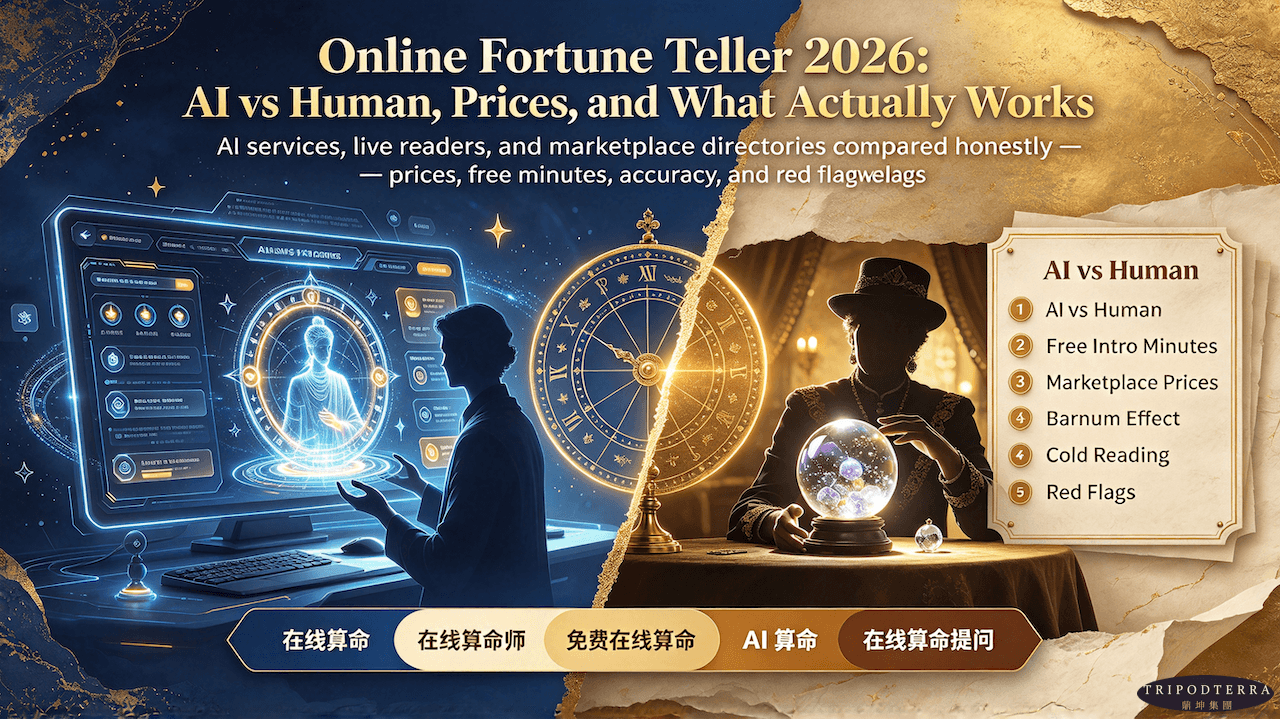
Online Fortune Teller 2026: AI vs Human, Prices, and What Actually Works
An online fortune teller is one of three very different products: a live reader on a per-minute platform, a marketplace directory, or an AI service. This guide separates them honestly. It reports what the major platforms actually charge in 2026, including the small print behind "free" introductory minutes and new-user credits, and explains why free readings are often the better tool for daily reflection. It answers the question the industry avoids — whether readings are accurate, what the Barnum effect and cold reading actually explain, and where the benefit genuinely stops. Then it covers how to ask a yes or no question, an open question, or use free chat, and closes with the five red flags that separate a paid reading from a scam, plus a one-page method for choosing a platform without overpaying for accuracy nobody can deliver.

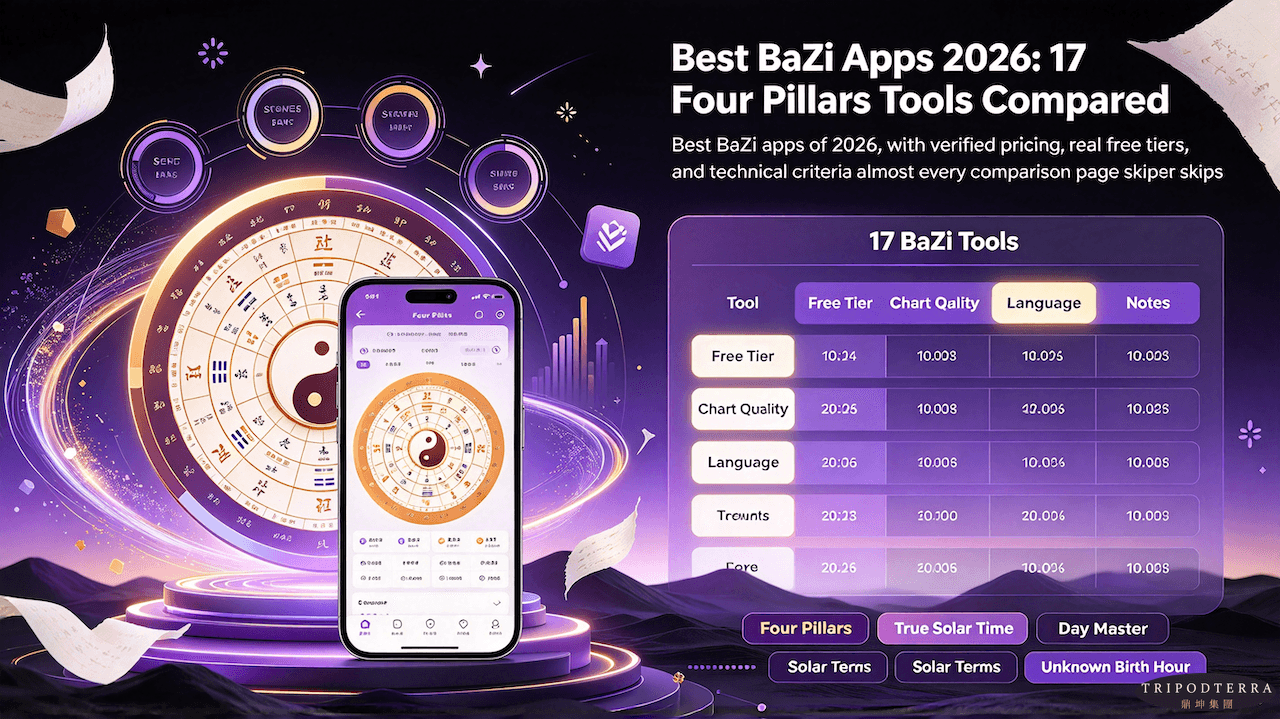
Best BaZi Apps 2026: 17 Four Pillars Tools Compared
The best BaZi apps of 2026, compared across 17 Four Pillars tools and websites in English and Chinese — with verified pricing, real free tiers, and the technical criteria almost every comparison page skips. This guide explains what actually separates a trustworthy chart from a confident wrong one: true solar time correction, the 23:00 day-pillar boundary, and whether the month pillar is computed from solar terms or lunar month numbers. It covers chart-first engines, AI reading platforms, and Chinese-market apps that English rankings never mention, including a naming collision that makes one popular app effectively unsearchable. Along the way it answers what beginners actually ask — what is genuinely free, why two apps disagree about your chart, and how to handle an unknown birth hour. Our own platform is included and clearly disclosed, limitations and all.

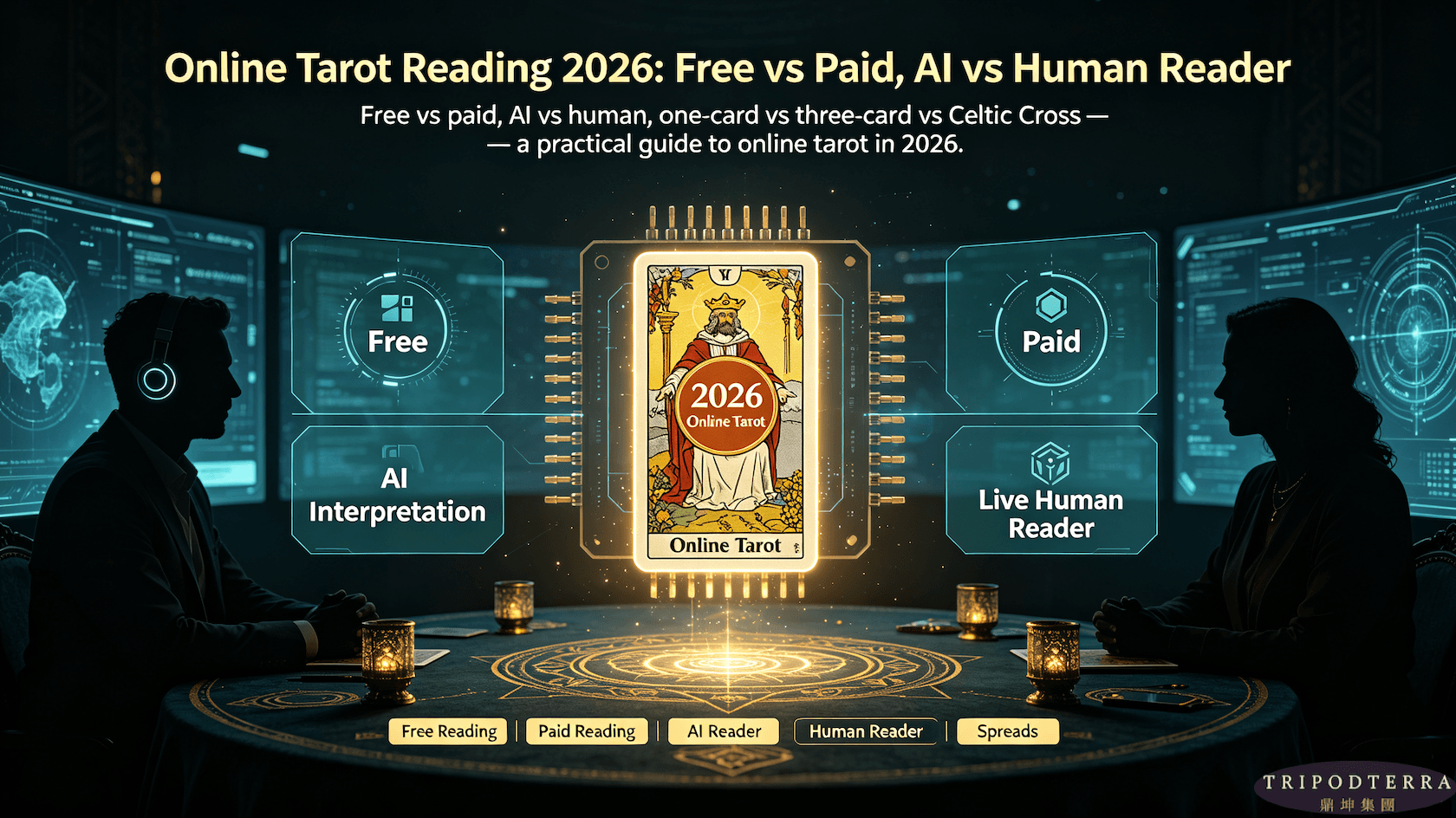
Online Tarot Reading 2026: Free vs Paid, AI vs Human Reader
An online tarot reading is a structured way to think about one question, not a verdict about your life. This guide compares free and paid readings, AI interpretation and live human readers, and the five business models hiding behind the word "free," so you know ten seconds in whether a site is genuinely free or a paywall in disguise. It walks through the one-card, three-card, and Celtic Cross spreads and when each one fits, shows how to phrase a question so the answer carries real information, and covers the honest limits — what tarot does well, what neither an AI nor a human reader can promise, how the one-card yes or no method differs from the two-option three-card layout, and how to pick a format by what you actually want out of the session rather than by which one claims to be most accurate.
Liu Yao: The Ancient Art of Coin Divination for Everyday Questions
Liu Yao (Six Lines) is one of the most practical Chinese divination methods — three coins, six throws, and a hexagram that answers your specific question. Learn how this I Ching-based system works for love, career, and daily decisions.